Table Of Content
This excess hair shedding can involve the loss of “up to a third of your hair volume,” she added. Consider gentle hair products when available, and comb and brush hair only when needed. You can also place less stress on your hair by limiting the use of heated styling tools as well as tight hairstyles.
substantial weight loss over a short period of time
But exactly how depends on the individual, their genetic predisposition to hair loss and other factors. In other words, not all hair loss from stress is created equal, and stress can play a different role in each scenario. Although reducing your stress levels might seem insurmountable, making sure you’re eating the right things will go a long way to setting a good foundation for optimum hair growth. A healthy balanced diet is also important in stress reduction too as it can support a healthy immune system, repair damaged cells and even reduce elevated cortisol levels. Getting enough protein in your diet is essential as it provides the building blocks for proper hair growth; meat, tofu, eggs, beans, grains, nuts, and fish are all good protein sources. Some studies suggest that telogen effluvium can also be connected to low levels of iron, so include iron-rich foods like leafy vegetables, lentils and liver where you can.
Patchy hair loss (alopecia areata)
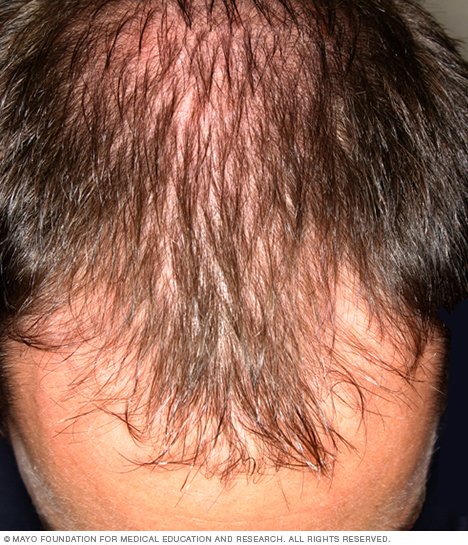
There are many factors and conditions that could cause you to lose your hair. TE may be the second most common type of hair loss seen by dermatologists. This usually isn't noticeable because new hair is growing in at the same time. Hair loss occurs when new hair doesn't replace the hair that has fallen out. Male-pattern baldness typically appears first at the hairline or top of the head.
What does stress hair loss look like?
That being said, Gaunitz says that making sure you're not deficient in vitamin D3 and ferritin can help minimize the likelihood of telogen effluvium occurring in the first place. Ensuring optimal levels of these nutrients in the blood can decrease the propensity for TE to happen, he says. In men, this is known as male pattern baldness; in women, female pattern baldness. This type of hair loss is really common, probably affecting 50% of men over 50, and 40% of women over 50. In this article we’re going to look at the types of hair loss including the most common - telogen effluvium, why stress can cause hair loss, symptoms and potential treatments.
Professional hair stylist Megan gives her advice on the best hairstyles to adopt if you are experiencing thinning hair. For a detailed guide to treatments for alopecia areata, consult this page on the Alopecia UK website. Any one or combination of the above can cause stress-related hair loss and balding symptoms.
Can Stress Cause Hair Loss? - The New York Times
Can Stress Cause Hair Loss?.
Posted: Tue, 11 Jul 2023 07:00:00 GMT [source]
Stay on top of latest health news from Harvard Medical School.
A dermatologist can provide a proper diagnosis, and select a personalized treatment that will help restore health to you hair and scalp. CCCA and LPP fall under the umbrella of lymphocytic scarring alopecia. The telltale signs of these conditions are chronic inflammation of the scalp and the scarring of hair follicles, which can result in irreversible hair loss, Agbai notes.
Products and Services
But we're not necessarily talking about day-to-day, chronic types of stress. Rather, it's most often a singular, stressful event that's the culprit. Common examples include illness, surgery, break-ups, deaths, and even childbirth, points out Bhanusali. Smoking, and the harmful chemicals present in cigarettes such as nicotine, can cause hair loss. Severe cases can even lead to cicatricial or frontal fibrosing alopecia due to tight hairstyles, causing inflammation, irritation, and itching. In this case, inflammation can scar the area and permanently damage hair follicles, preventing future growth.’ He adds.
Androgenic alopecia
Treatment depends on the underlying cause and may include lifestyle changes, medications, topical treatments, and immunotherapy. Stress management techniques, such as deep breathing, can also help manage stress and decrease the risk of hair loss. Hair loss can happen due to a variety of factors, including stress. Their results may range from short-term, self-limiting hair loss to permanent, irreversible hair loss. Identifying the cause of the hair loss and seeking appropriate treatment is essential. Last year, findings from Hsu’s team advanced the understanding of how stress causes gray hair.

Minoxidil and finasteride have Food and Drug Administration (FDA) approval to treat androgenetic alopecia. It affects around 50 million males and 30 million females in the United States. Approximately half of all people will experience it at some point. The following sections give more details about some of the causes of thinning hair. We also discuss some of the treatments and home remedies available. While the process of thinning hair can be concerning at first, many types of thinning hair are treatable.
While smoking-related hair loss is not necessarily reversible, it is advisable to try quitting smoking. In particular, the systematic review notes that nicotine narrows blood vessels, which lowers the amount of blood flow to the scalp. Moreover, nicotine also causes inflammation of the hair follicle and makes neurotransmitter receptors less sensitive. Nicotine is a highly addictive substance present in all tobacco products and some e-cigarette liquids. However, using nicotine and products containing nicotine can affect various systems and cause harm throughout the body.
Chronic stress has also long been linked to hair loss, but the reasons weren’t well understood. If your hair loss has been triggered by stress, managing your stress could be the key to returning to a healthy rate of hair growth. If your hair loss is caused by stress, it’s possible for your hair to grow back in time. Most baldness is caused by genetics (male-pattern baldness and female-pattern baldness). "The hair usually grows back on its own, although there are things we can do to help speed up the process," notes Dr. Bhanusali.
“Telogen effluvium is a type of temporary hair loss that occurs when a large number of hair follicles enter the resting phase of the hair growth cycle prematurely. During telogen effluvium, more hair than usual falls out, leading to thinning of the hair, but it's typically reversible once the underlying cause is addressed. Under normal conditions, hair follicle regeneration slows over time — the resting phase becomes longer as the animals age. Researchers from Harvard University published a 2021 study in the journal Nature identifying “the biological mechanism by which chronic stress impairs hair follicle stem cells” in mice. The study confirmed that the major stress hormone cortisol “puts hair follicle stem cells into an extended resting phase, without regenerating the follicle or the hair,” The Harvard Gazette reported. The hair growth cycle is driven by stem cells that reside in the hair follicle.
When this natural cycle is disrupted, a larger percentage of the follicles transition to that shedding phase, Dr. Kuhn explains. Telltale signs can include seeing more hair in the shower or in your brush or noticing that your hair feels thinner. Happily, “this type of hair loss is not permanent and generally resolves on its own within one to three months,” she says. One type of stress-related hair loss is known as telogen effluvium.
In rest (telogen), hair falls out and the process can begin again. Hair is among the few tissues that mammals can regenerate throughout their lifetime. Keeping properly hydrated is also essential to overall good health. You may find that hair pulling happens without much thought, like when you’re bored or distracted.
One example is alopecia areata, which is an autoimmune disorder where your immune system attacks hair follicles, causing thinning hair and sudden hair loss. Depending on the severity, hair loss may be mild or patchy, or more significant. A 2021 rat study found that removing adrenal glands, which produce essential stress hormones in rats and humans, resulted in rapid hair regrowth cycles. Subjecting the rats to mild stress for weeks resulted in increased stress hormone (corticosterone) levels and reduced hair growth.


No comments:
Post a Comment